Introduction
Resurface or Replace? When You Can Save Your Old Concrete
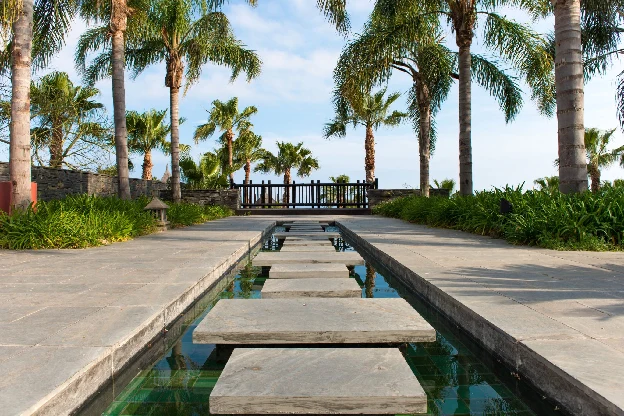
Old concrete doesn’t always mean a new slab. If your driveway or path looks tired, stained or a little rough, you may not need to tear it up. But if the slab underneath is failing, covering it up only delays the problem. Knowing the difference can save you thousands, and a bad decision can cost you twice. Before you plan concrete driveway replacement in Melbourne, here’s how to tell whether your concrete can be saved.
Deep Dive
The Details
01
The Short Answer
If the problems are cosmetic and the slab is still solid, resurfacing can work well. If the slab is cracked through, sunken, heaving or crumbling, replacement is usually the better investment. Resurfacing gives you a new surface, but it can’t repair a weak foundation.
02
Signs You Can Resurface
Resurfacing is worth considering when the damage sits on top of a sound slab. Typical signs include:
- Surface stains and discolouration from oil, rust, algae or years of weather
- Fading from sun exposure
- Scaling or flaking that affects only the top layer
- Hairline cracks that are narrow, stable and not growing
- Minor pitting or roughness from wear
- A dated look when the slab is otherwise level and strong
In these cases, options such as concrete overlays, spray-on finishes, grinding and sealing, or micro-toppings can refresh the surface at a lower cost and with less disruption than a full replacement.
03
Signs You Should Replace
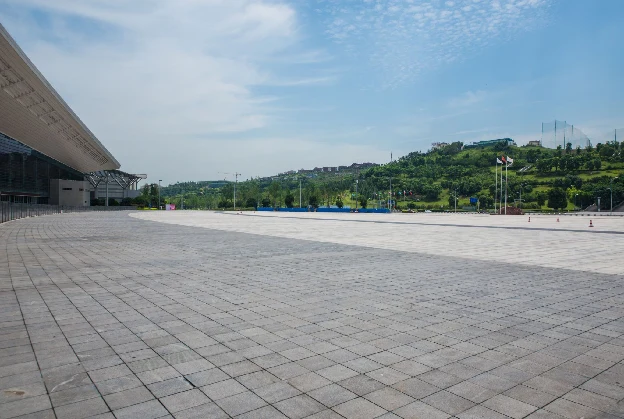
Replacement is the smarter choice when the problem goes deeper than the surface:
- Wide or deep cracks, especially where one side sits higher than the other
- Sunken, tilted or heaving slabs, which point to a base or drainage problem
- Widespread crumbling or spalling across large areas
- Tree root damage pushing up the slab
- Water pooling or poor drainage that resurfacing won’t fix
- Repeated repairs that keep failing
- A thin or unreinforced slab that can’t carry vehicles properly
If the base is the problem, new material on top will usually crack again, often within a short time, and the cracks tend to reflect straight through the overlay.
04
A Simple Way to Check Your Slab
Walk the area and look for these clues:
- Run your hand over the cracks. If the edges are level, it’s likely a surface crack. If they’re uneven, the slab has moved.
- Tap with a hammer or a metal rod. A solid ring suggests a sound slab, while a hollow sound can mean the surface is loose or voids have formed underneath.
- Check after rain. Puddles show where the slab has settled or where drainage is poor.
- Look at the edges. Crumbling edges and gaps beside the slab can signal erosion beneath.
A professional inspection is worth it for big jobs, because the cost of getting it wrong is much higher than a site visit.
05
Pathways and Smaller Areas
Paths and walkways deserve special attention because a small lift or crack can become a trip hazard. If your concrete pathways are only stained or lightly worn, a refresh may be enough. If sections have lifted, cracked through or sunk, replacing the affected slab is safer and often not much more expensive than patching it repeatedly. Concrete paths near trees are a common problem, since roots keep pushing up the surface even after repairs.
06
Resurface vs Replace: Side by Side
| Resurface | Replace | |
|---|---|---|
| Best for | Cosmetic damage on a sound slab | Structural cracks, movement, drainage issues |
| Cost | Usually lower | Higher upfront |
| Disruption | Often quicker | More demolition and cure time |
| Lifespan | Depends on the slab beneath | Resets the clock with a new slab |
| Design options | Limited by existing levels | Full choice of finish, shape and levels |
Costs depend on area, access, slab condition and finish, so compare written quotes.
07
Questions to Ask Before You Decide
- Is the slab thick and strong enough for its use?
- Why did the cracks appear? If the cause isn’t fixed, they’ll return.
- Will resurfacing change the height of the surface at doors, garage thresholds or gutters?
- What warranty or guarantee comes with the work?
- Would replacing allow improvements, such as better drainage, wider access or a new finish?
08
Frequently Asked Questions
1. Can you resurface cracked concrete?
Only if the cracks are fine and stable. Larger or moving cracks usually return through the new surface, so they need repair or replacement.
2. How long does resurfaced concrete last?
It depends on the condition of the slab and the product used, but it will never outlast a failing base. A sound slab with a quality overlay can last many years with proper sealing.
3. Is resurfacing cheaper than replacing concrete?
Generally, yes. It avoids demolition and removal, but if the slab needs significant repairs first, the savings shrink.
4. Can I resurface a concrete driveway myself?
Small cosmetic jobs, like cleaning and sealing, are manageable. Overlays and repairs need proper preparation and bonding, and poor work often peels or fails early.
5. How do I know if my slab has a drainage problem?
Look for pooling after rain, damp or stained patches, or settling near downpipes and garden beds. A professional can check the levels and fall.
Alishba Concreting is ready to talk through your next concrete project. For a conversation about your plans, get in touch.